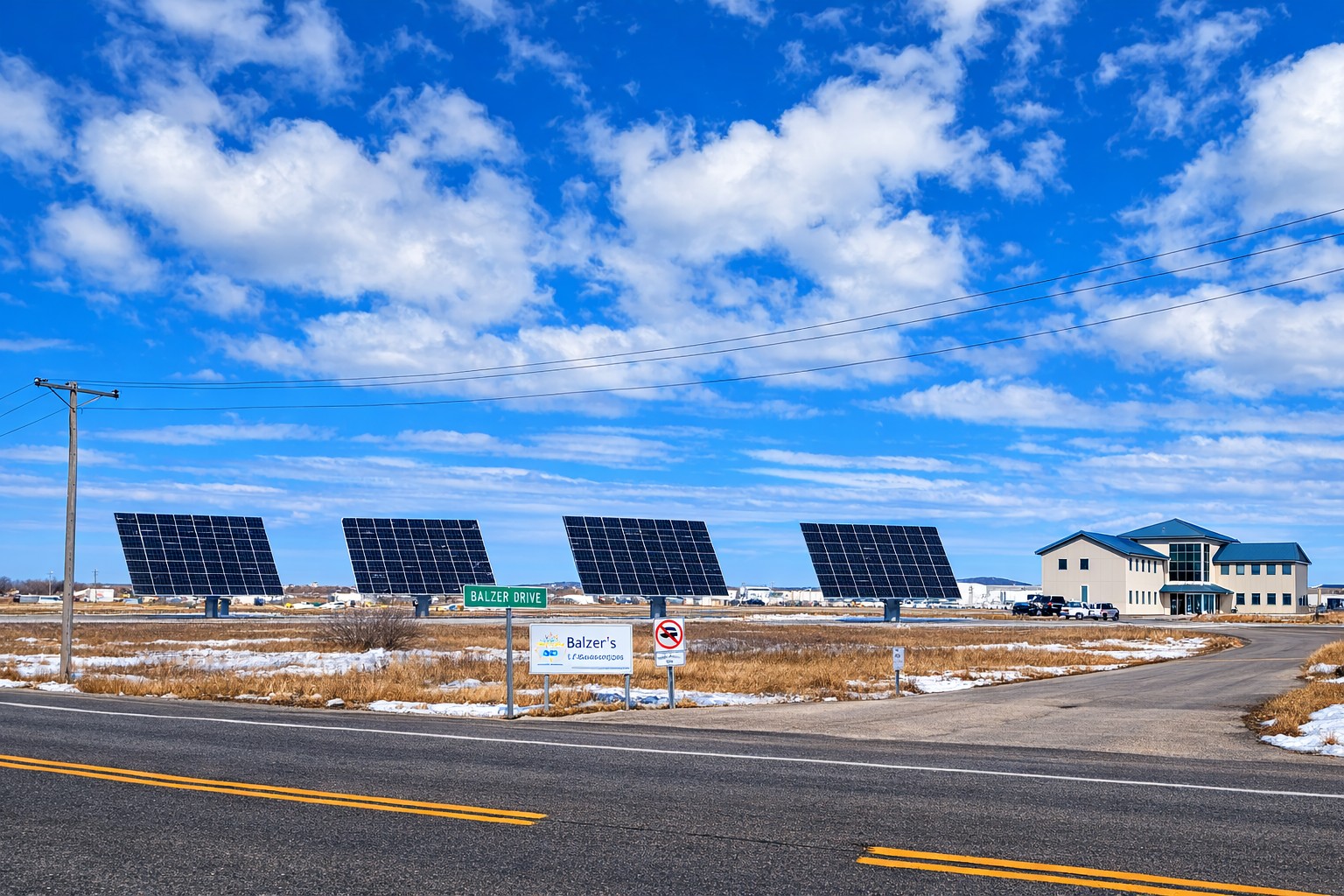
Industrial & Commercial Facilities
Support manufacturing, processing, warehouse, and commercial operations with on-site solar generation designed for stronger production and long-term operating value.
Discuss an industrial site →
Mechatron tracker systems are designed for sites where solar generation needs to do more than look good on paper. They help support real energy production, better land use, and long-term project value.
Project Fit
Mechatron systems are a fit for projects where output, available land, visibility, and long-term operating value matter. The right application depends on site conditions, project goals, and the energy strategy behind the installation.
Support manufacturing, processing, warehouse, and commercial operations with on-site solar generation designed for stronger production and long-term operating value.
Discuss an industrial site →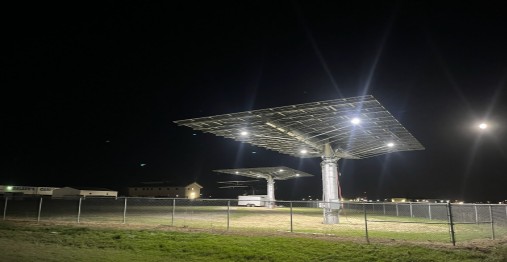
Use tracker systems in agricultural environments where land remains valuable and solar production needs to work alongside farm operations, open land, livestock areas, or uneven terrain.
Discuss an agricultural site →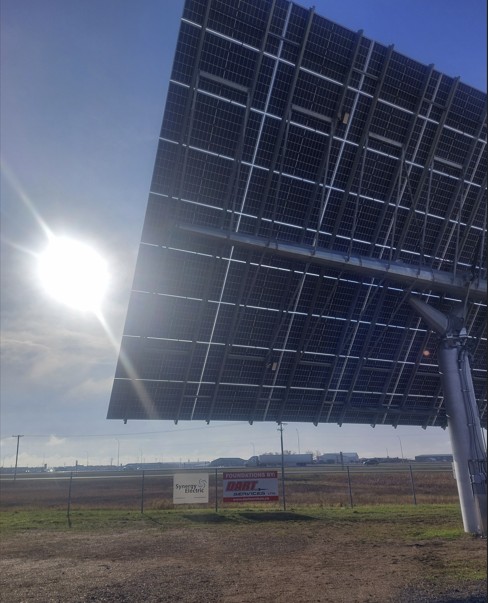
Turn parking areas into productive energy assets while adding covered parking, shade, and visible infrastructure that customers, staff, and visitors can understand immediately.
Discuss a carport project →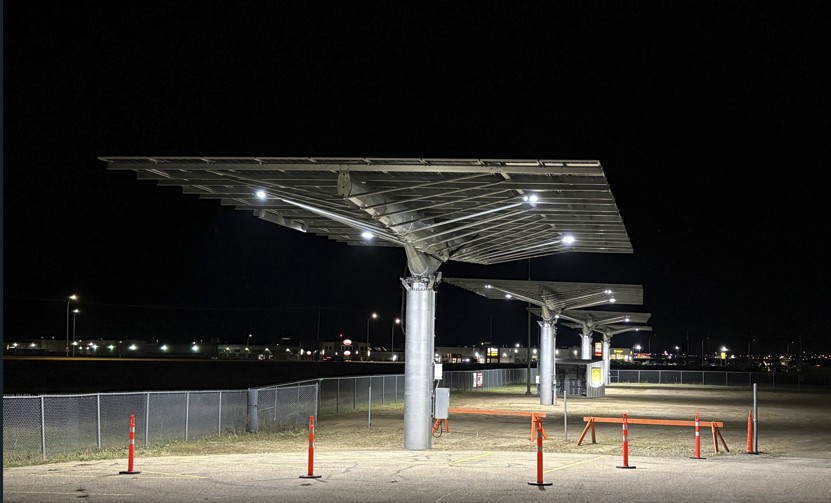
Support modern fueling, charging, and roadside infrastructure with solar generation that helps position the site for the next generation of vehicle energy needs.
Discuss charging infrastructure →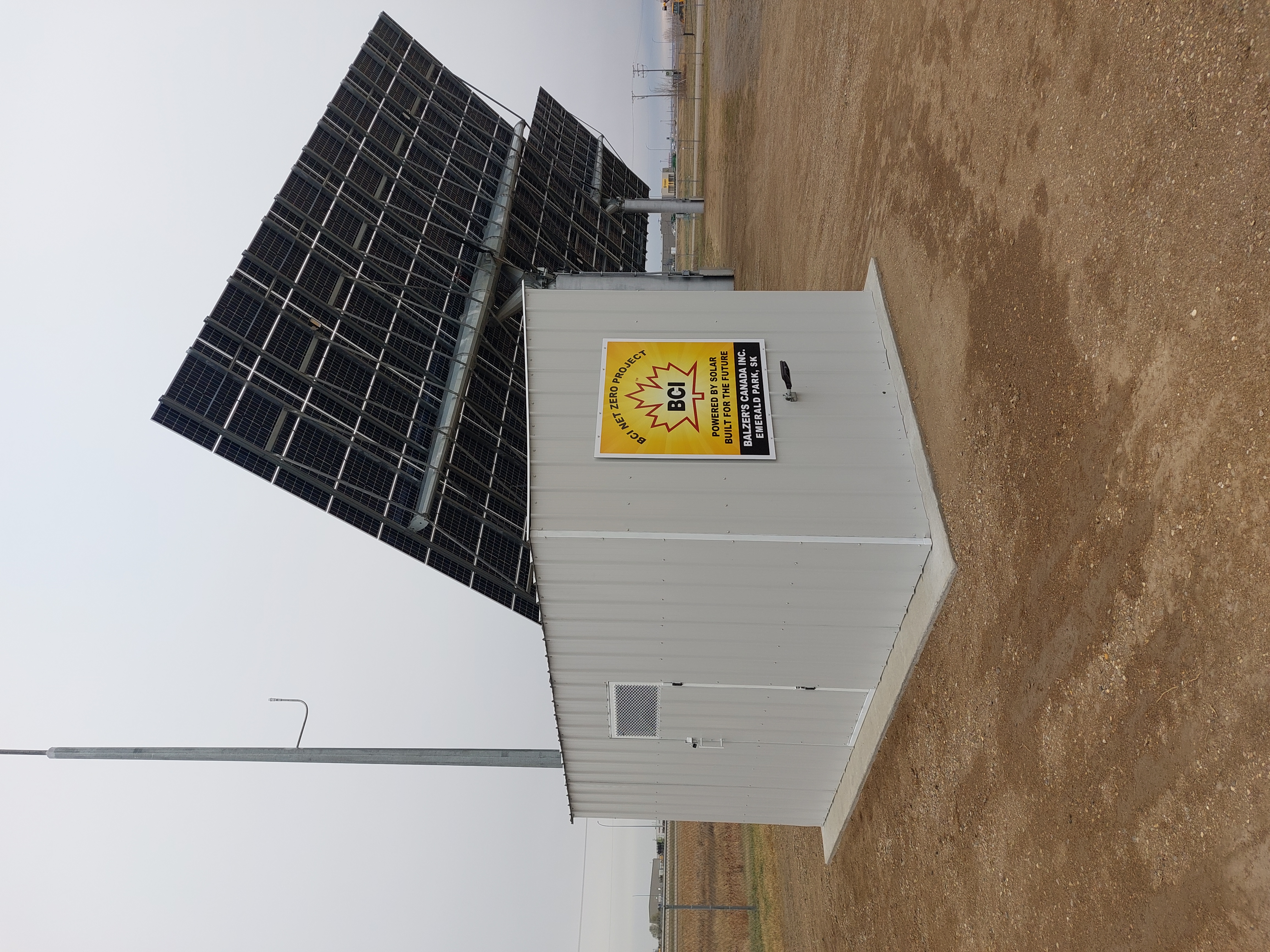
Build practical solar infrastructure into broader net-zero or net-positive operating plans, with BCI’s own project experience helping support the conversation.
Read the net-zero story →
Use dual-axis tracking to improve production and energy density for larger solar opportunities where output, economics, and land-use efficiency drive the project.
Discuss a larger project →Business Case
A tracker system is not selected in isolation. The best project fit considers the site, the energy use profile, the available land, the visibility of the installation, and the business goal behind the investment.
How We Help
Mechatron Solar Canada can help review the project opportunity, likely application, potential tracker fit, and next steps before the conversation moves into detailed engineering or quoting.
Identify whether the project is industrial, agricultural, commercial, carport, charging, or larger-scale infrastructure.
Review available space, land use, layout restrictions, visibility, and project constraints.
Determine which tracker platform may best match the project profile and production goals.
Move toward project review, technical discussion, and planning with the right information in hand.
Tell us what kind of site you are working with, and Mechatron Solar Canada can help review whether a dual-axis tracker system is a fit.